Unequal Appraisal – Are You Paying Too Much?
Home
Residential Tax Protest
Unequal Appraisal – Are You Paying Too Much?
In Texas, property taxes are based on your property’s appraised value. But what if your home or business is valued much higher than similar properties nearby?
That’s called unequal appraisal—and it’s one of the most common reasons Texans overpay their property taxes.
Here’s what unequal appraisal means, how it happens, and what you can do to correct it.
What is Unequal Appraisal?
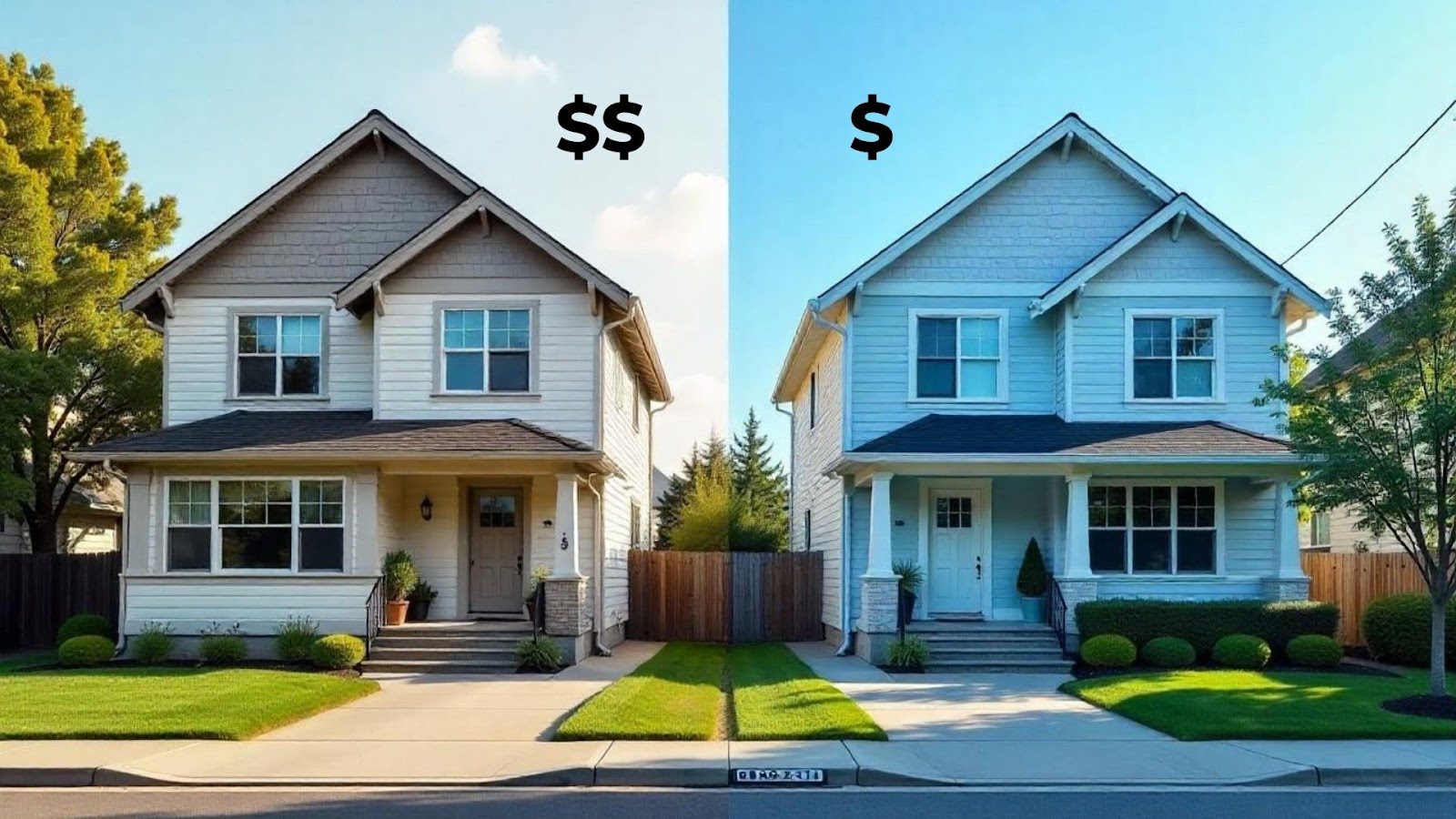
Unequal appraisal occurs when your property is assessed disproportionately higher than comparable properties in the same neighborhood or market area.
For example, if your 2,500-square-foot home is appraised at $550,000, but your neighbor’s nearly identical home is valued at $500,000, you’re likely being taxed unfairly.
The same issue applies to commercial properties—office buildings, warehouses, and retail centers—where one property’s value per square foot may be significantly higher than similar nearby assets.
Why Unequal Appraisals Happen
Several factors can cause unequal appraisals
- Mass Appraisals: Appraisal districts use computer-based models that can miss property-specific details or updates.
- Incomplete or Outdated Data: Errors in square footage, building condition, or amenities can skew results.
- Rapid Market Changes: Local markets shift faster than district models can update, creating imbalances across neighborhoods or property types.
How Unequal Appraisal Impacts You
An inflated valuation directly increases your property tax bill. Even a small difference — $20,000 overvaluation — can mean hundreds of extra dollars in taxes each year. For commercial owners, the impact can be much larger.
How to Identify Unequal Appraisal
You may be facing unequal appraisal if:
- Your property’s value appears higher than nearby homes or businesses with similar characteristics.
- Online property search tools show lower values for comparable properties.
- Public appraisal district data shows inconsistencies between your value and comparable properties.
How to Fight Unequal Appraisal
Under the Texas Property Tax Code, property owners have the right to protest based on unequal appraisal. At Ball Property Tax Services, we use a proven, data-driven approach to present your case effectively:
- Comparable Property Studies: We analyze assessment data for similar properties to identify inequities.
- Professional Representation: Our consultants handle all hearings and negotiations with the appraisal review board.
Why Professional Help Matters
Unequal appraisal cases require detailed analysis and a strong understanding of appraisal district methodologies.
Our team has decades of experience navigating these protests and presenting clear, evidence-based arguments that lead to fair results for Texas property owners.
Stop Overpaying Today
Unequal appraisal is unfair—but it’s also correctable.
By filing a protest, you can ensure your property is valued consistently with others in your area and protect yourself from unnecessary taxes year after year.