Unequal Appraisal – Are You Paying Too Much?
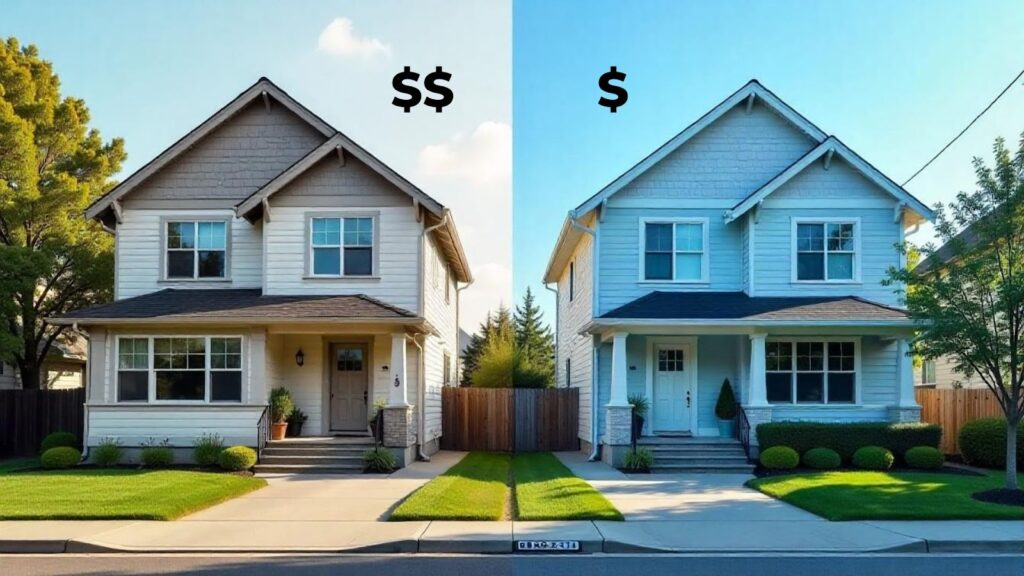
Unequal Appraisal – Are You Paying Too Much? Home Residential Tax Protest Unequal Appraisal – Are You Paying Too Much? In Texas, property taxes are based on your property’s appraised value. But what if your home or business is valued much higher than similar properties nearby? That’s called unequal appraisal—and it’s one of the most common reasons Texans overpay their property taxes. Here’s what unequal appraisal means, how it happens, and what you can do to correct it. What is Unequal Appraisal? Unequal appraisal occurs when your property is assessed disproportionately higher than comparable properties in the same neighborhood or market area. For example, if your 2,500-square-foot home is appraised at $550,000, but your neighbor’s nearly identical home is valued at $500,000, you’re likely being taxed unfairly. The same issue applies to commercial properties—office buildings, warehouses, and retail centers—where one property’s value per square foot may be significantly higher than similar nearby assets. Why Unequal Appraisals Happen Several factors can cause unequal appraisals Mass Appraisals: Appraisal districts use computer-based models that can miss property-specific details or updates. Incomplete or Outdated Data: Errors in square footage, building condition, or amenities can skew results. Rapid Market Changes: Local markets shift faster than district models can update, creating imbalances across neighborhoods or property types. How Unequal Appraisal Impacts You An inflated valuation directly increases your property tax bill. Even a small difference — $20,000 overvaluation — can mean hundreds of extra dollars in taxes each year. For commercial owners, the impact can be much larger. How to Identify Unequal Appraisal You may be facing unequal appraisal if: Your property’s value appears higher than nearby homes or businesses with similar characteristics. Online property search tools show lower values for comparable properties. Public appraisal district data shows inconsistencies between your value and comparable properties. How to Fight Unequal Appraisal Under the Texas Property Tax Code, property owners have the right to protest based on unequal appraisal. At Ball Property Tax Services, we use a proven, data-driven approach to present your case effectively: Comparable Property Studies: We analyze assessment data for similar properties to identify inequities. Professional Representation: Our consultants handle all hearings and negotiations with the appraisal review board. Why Professional Help Matters Unequal appraisal cases require detailed analysis and a strong understanding of appraisal district methodologies. Our team has decades of experience navigating these protests and presenting clear, evidence-based arguments that lead to fair results for Texas property owners. Stop Overpaying Today Unequal appraisal is unfair—but it’s also correctable. By filing a protest, you can ensure your property is valued consistently with others in your area and protect yourself from unnecessary taxes year after year. Request Your Free Unequal Appraisal Review Why Choose Ball Property Tax Services? 100% focused on property tax consulting Proven track record in San Antonio and across Texas Personalized service with local expertise How can we help you? Contact Us
What Can I Do Now to Lower My Property Tax Bill?

What Can I Do Now to Lower My Property Tax Bill? Home What Can I Do Now to Lower My Property Tax Bill? What Can I Do Now to Lower My Property Tax Bill? Property taxes in Texas can feel overwhelming—especially when values rise year after year. The good news is that there are practical steps you can take today to reduce your bill and ensure your property is assessed fairly. From filing a protest to claiming available exemptions, here’s how to take control of your property taxes and keep more money in your pocket. 1. Review Your Appraisal Notice Carefully Each spring, appraisal districts issue Notices of Appraised Value—and errors are more common than you might expect. Important: if your value did not increase (and certain other details didn’t change), the appraisal district may not mail a notice. Always verify your current value and exemptions on the appraisal district’s website or by calling the district before the protest deadline. Verify key details such as square footage, land size, property type, and listed improvements. Even a minor error can result in an inflated valuation and higher taxes. 2. File a Property Tax Protest Filing a protest is the most effective tool for lowering your property taxes. It allows you to challenge your appraised value and provide evidence supporting a reasonable assessment. Comparable sales, photos of property issues, or unequal appraisal analyses can all make a strong case for a reduction. 3. Apply for Available Exemptions Texas offers several exemptions that can lower your taxable value: Homestead Exemption – reduces the taxable value of your primary residence. Over-65 or Disabled Exemption – offers additional savings for seniors and individuals with disabilities. Veterans Exemption – provides relief for disabled veterans and surviving spouses. These exemptions can save you hundreds or even thousands annually. 4. Keep Records of Repairs and Property Conditions If your property needs repairs, its true market value may be lower than the appraisal district’s estimate. Keep detailed records of damage, repair estimates, or inspection reports—such as roof issues, foundation problems, or plumbing defects. Supporting documentation strengthens your protest and justifies a lower value. 5. Don’t Miss the Deadline Protest deadlines are strict and vary by county. Missing the deadline means you’re locked into your current value for the year, even if it’s incorrect. Mark your calendar, gather your evidence, and file your protest as early as possible. 6. Work With a Professional The property tax protest process can be complex and time-consuming. Working with Ball Property Tax Services ensures you have experienced professionals handling every step—from filing to hearings. Our consultants use proven analysis methods and local expertise to help property owners throughout Texas achieve meaningful tax reductions. Taking Action Now Can Save You Thousands Lowering your property tax bill starts with action. By reviewing your appraisal, filing a timely protest, applying exemptions, and enlisting expert help, you can take control of your property’s valuation and protect your investment. Why Choose Ball Property Tax Services? 100% focused on property tax consulting Proven track record in San Antonio and across Texas Personalized service with local expertise How can we help you? Contact Us Taking Action Now Can Save You Thousands Lowering your property tax bill starts with awareness and action. By reviewing your notice, filing a timely protest, applying exemptions, and seeking expert help, you can take control of your tax burden today. Start Your Property Tax Protest with Ball PTS
Why Are Property Taxes So High in Texas?

Why Are Property Taxes So High? Home Why Are Property Taxes So High? 12 Reasons to Protest Property Taxes in Texas It’s no secret — Texas homeowners and businesses face some of the highest property tax bills in the country. With no state income tax, local governments rely heavily on property taxes to fund schools, roads, and public services. But rising values and other factors have left many Texans feeling the squeeze. Here are the key reasons property taxes are so high — and what you can do about it. 2. Rapid Growth and Rising Property Values Texas continues to experience population growth, especially in cities like San Antonio, Austin, and Dallas. As demand for housing increases, property values climb — and so do tax bills. Even if you haven’t made improvements to your home, higher neighborhood sales can push your appraisal up. 3. School District Funding Two nearly identical homes on the same street should not have drastically different tax values. Yet unequal appraisal is one of the most common issues in Texas. By comparing your property to similar ones nearby, we can identify inconsistencies and argue for a reduction. 4. Local Government Services Counties, cities, and special districts (like hospital or utility districts) all set tax rates. These entities rely on property taxes for services such as police, fire protection, road maintenance, and water infrastructure. As costs rise, so do tax levies. 5. Unequal Appraisals and Inaccurate Valuations Appraisal districts often overestimate property values, especially when using mass appraisal methods. Two similar homes may receive very different valuations, leading some owners to shoulder an unfair share of the tax burden. 6. Lack of Automatic Protections Although Texas offers valuable exemptions — such as homestead, over-65, and disabled veteran — there are limited automatic safeguards against annual increases. Without filing a protest, property values can escalate unchecked, even when market conditions decline. 7. Tax Rate Adjustments Even when your property’s value stays flat, local taxing entities can raise their rates to offset revenue needs. The combination of increasing rates and rising values often results in substantial year-over-year tax hikes. Why Choose Ball Property Tax Services? 100% focused on property tax consulting Proven track record in San Antonio and across Texas Personalized service with local expertise How can we help you? Contact Us What You Can Do About It While you can’t change how Texas funds local government, you can fight back against unfair appraisals. Filing a property tax protest is the most effective way to lower your tax bill. With expert representation, you can: Correct inaccuracies in your appraisal. Demonstrate unequal valuation compared to similar properties. Ensure you’re not paying more than your fair share. Protest Your Property Taxes Today
12 Reasons to Protest Property Taxes in Texas

12 Reasons to Protest Property Taxes in Texas Home 12 Reasons to Protest Property Taxes in Texas 12 Reasons to Protest Property Taxes in Texas Each year, thousands of Texans pay more in property taxes than they should. Appraisal districts are responsible for determining property values, but those values aren’t always accurate or up to date. By filing a property tax protest, you can challenge inflated assessments, correct errors, and ensure you’re only paying your fair share. Here are 12 reasons why filing a protest this year could make a difference for you. 1. Appraised Value is Too High Counties often base valuations on limited data, mass appraisals, or outdated information. If your home or business is valued higher than its market value, you’re likely overpaying. Protesting gives you the chance to present evidence like comparable sales or income data to secure a equitable valuation. 2. Unequal Appraisal Similar properties should not have drastically different taxable values. Yet unequal appraisal is one of the most common issues in Texas. Comparing your property to others nearby helps reveal inconsistencies and justify a reduction. 3. Incorrect Property Details Mistakes happen. Errors in county records—such as the wrong square footage, extra features, or listed upgrades—can inflate your value. Protesting gives you a chance to correct those details and align your assessment with reality. 4. Market Fluctuations Texas real estate markets can change quickly. If your neighborhood has experienced slower sales or declining values, but the appraisal district hasn’t adjusted, your taxes may not reflect current conditions. Protesting ensures your value matches today’s market, not last year’s boom. 5. Construction Defects or Repairs Needed Issues like foundation damage, roof leaks, or outdated systems reduce market value. Appraisal districts rarely factor these in unless you provide evidence. Submitting repair estimates and photos during a protest can make a strong case for a lower value. 6. Commercial Income Considerations For commercial properties, appraisals often rely on projected income. If the district overstates rental rates, occupancy, or expenses, the valuation can be inflated. Providing actual income and expense data helps ensure a fair assessment. 7. Business Personal Property Errors Businesses report equipment, furniture, and inventory annually—but appraisal districts sometimes apply incorrect depreciation or misclassify assets. Protesting allows you to correct these mistakes and reduce excessive valuations. 8. Exemptions Not Applied Homestead, over-65, disabled veteran, and other exemptions can save Texans thousands. But if your exemption isn’t applied correctly, you could miss out. A protest helps flag these errors and ensure your tax bill reflects every exemption you qualify for. 9. Rising Tax Rates Even if your appraised value stays flat, an increase in local tax rates can drive your bill higher. Protesting is one of the few tools available to push back against this upward pressure and protect your budget. 10. Protecting Your Rights Texas law gives every property owner the right to protest. Exercising that right holds appraisal districts accountable and keeps the process transparent. Once the protest deadline passes, you lose that opportunity for the year. 11. Professional Representation Partnering with Ball Property Tax Services removes the stress of handling a protest on your own. We manage the entire process—from filing to hearings—using proven strategies that have delivered reductions for thousands of Texas property owners. 12. Long-Term Savings Protesting doesn’t just lower this year’s bill — it can influence your property’s future tax values. A successful reduction creates a new baseline, helping you save money for years to come. Why Choose Ball Property Tax Services? 100% focused on property tax consulting Proven track record in San Antonio and across Texas Personalized service with local expertise How can we help you? Contact Us